Choose the format first
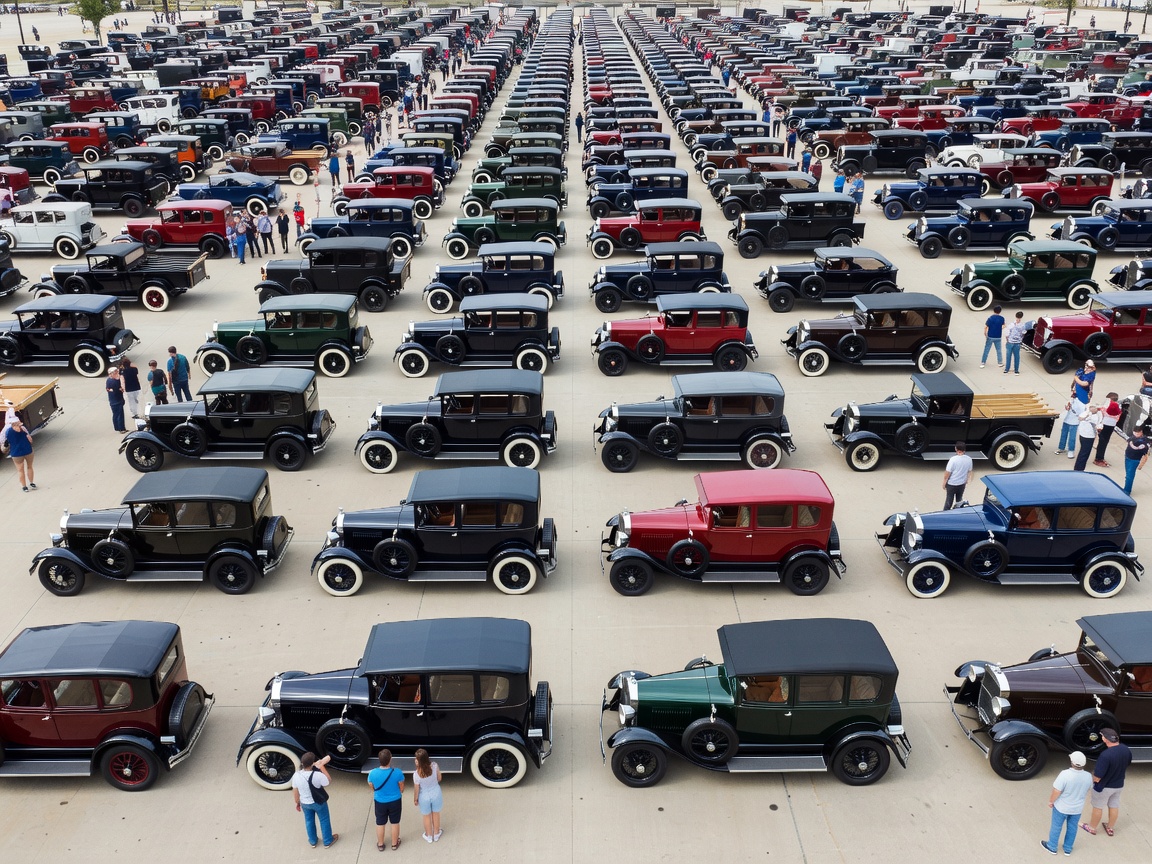
Classic-car events are not one activity. A static exhibition is built around displayed vehicles and visitor movement. It suits close inspection, photography where permitted and short conversations with exhibitors. Check whether the venue is indoors, whether vehicles are roped off and what visitor rules apply. Display conditions and access vary by organizer.
A driving event puts the road into the program. It may be a short run, a touring day or a longer organized drive. Read the route terms, vehicle eligibility, safety requirements and recovery arrangements before registering. A car that is suitable for a static display may not be ready for sustained road use. Do not treat participation as a test of mechanical fitness.
A rally usually has an organized route or task structure. The word can cover different formats, from navigational activities to regularity-style events. Read the event regulations instead of assuming a speed competition. A club gathering is often more informal and focused on owners meeting one another. A concours-style event emphasizes presentation and may include judging against published criteria.
Compare the trade-offs
- Static exhibition: easy to combine with a museum visit; less opportunity to see cars moving.
- Driving event: road use is central; demands sound preparation and clear terms.
- Rally: structured participation; navigation and schedule may require preparation.
- Club gathering: useful for informal exchange; details can be less formal or changeable.
- Concours-style display: careful presentation and evaluation; judging standards vary.
Each format has limits. A large public display can be busy and restrict access to vehicles. A small meet can be welcoming but offer fewer facilities. A driving schedule may leave little time for sightseeing. A judging event may focus on originality, condition or presentation in ways that do not match every owner’s priorities. Read the organizer’s description and rules in full.
Visitor planning
Before travelling, check the organizer’s official page or direct contact. Confirm date, venue, visitor entry, vehicle eligibility, registration deadlines, cancellation terms and photography rules. These details can change. Do not rely on an old calendar entry or an unofficial social post. If information is missing, ask the organizer rather than assuming.
Plan the visit around realistic time. An outdoor event may depend on weather and daylight; an indoor venue may have its own entry process. Check accessibility and facilities directly. If you are driving a classic car, plan a separate fallback activity in case the vehicle cannot be used or the event changes. Keep relevant contact details and booking records available offline.
Vehicle preparation
For a display, check that the vehicle can be moved safely into and out of position. Follow instructions about arrival windows, engine operation, fuel and placement. Bring only approved display materials. Secure loose items and avoid blocking circulation. Ask before opening doors, touching another vehicle or photographing people and registration details.
For road participation, use a methodical inspection appropriate to the car and conditions. Review tyres, brakes, lights, fluids, battery, steering and fuel system. Check recovery cover and roadside procedures. Have a competent technician inspect issues beyond your skill. This is general planning information, not a substitute for a vehicle-specific safety assessment.
Judging and presentation
Concours judging can consider originality, restoration quality, cleanliness or documentation, depending on the rules. Ask which standard applies and whether modifications are permitted. A well-presented car is not necessarily historically accurate, and a preserved vehicle may show age by design. Keep claims factual. If you have records, prepare a concise history sheet and separate evidence from interpretation.
Good for
- Visitors choosing between display-focused and road-focused days.
- Owners deciding whether a car meets stated participation requirements.
- Photographers checking organizer and participant rules in advance.
- Clubs planning a stop as part of a wider Baltic route.
What to know
- No event dates, ticket prices or current availability are confirmed by this guide.
- Confirm all terms directly with the official organizer before travel.
- Never assume a public display permits photography or vehicle access.
- Driving events require vehicle-specific preparation and compliance with event rules.
Related guides
Prepare with Baltic Car Communities, explore Historic Car Collections, or structure travel with the route planner.