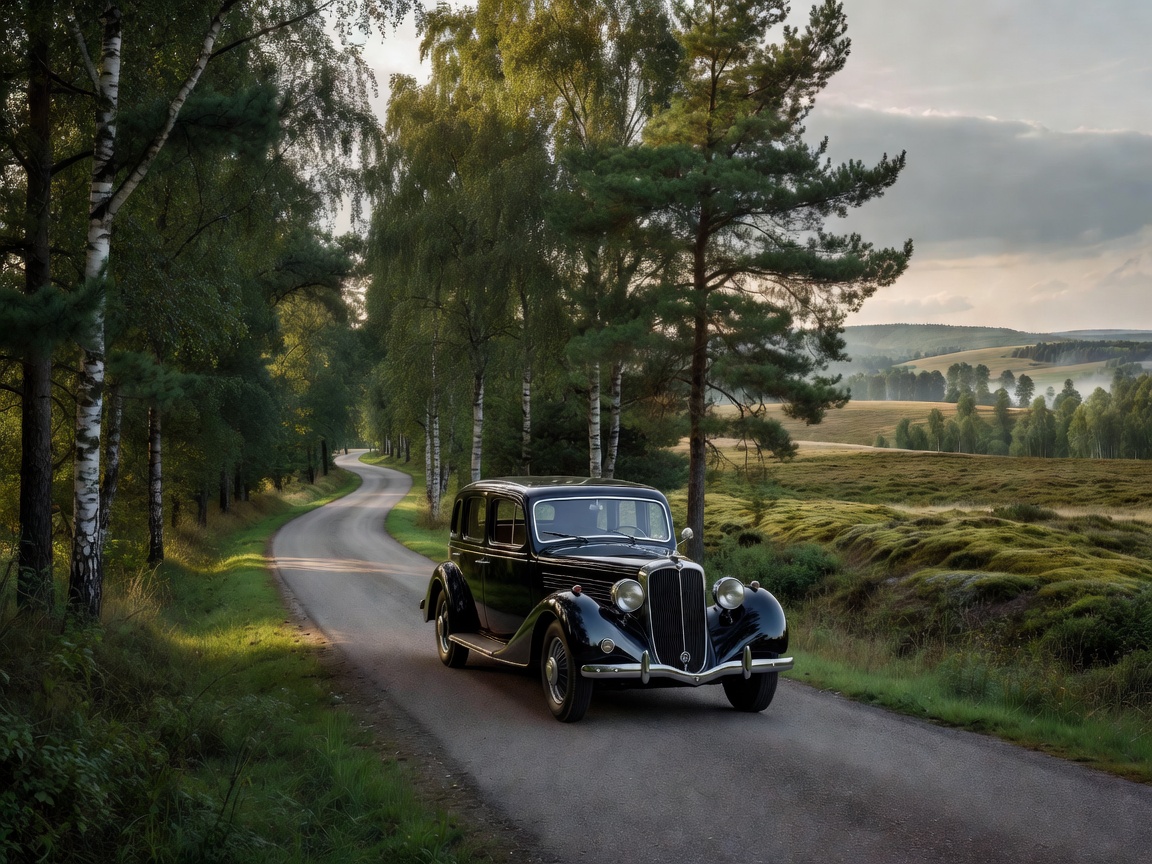
Start with the purpose
Choose the main purpose before drawing a line on a map. A museum visit, a scheduled event, a community meeting and a scenic drive require different timing. Select one or two anchor stops, then add optional locations that are genuinely relevant. A route built around too many fixed appointments leaves little room for delays, conversation or vehicle care.
List each destination with its address, contact source, confirmation date, access conditions and expected visit length. Treat estimated duration as a planning note, not a promise. A collection may have limited access, an event can change, and a community visit may require an appointment. Confirm with the official venue, organizer or host before travel.
Connect destinations realistically
Use a current mapping service to estimate distance and travel time, then add breaks appropriate to the car and occupants. The shortest route may not be the best route for a historic vehicle. Consider fuel availability for the vehicle’s requirements, service access, daylight and the driver’s experience. Do not assume road surface, traffic or repair facilities from an old travel account.
Break long transfers into manageable legs. Avoid stacking a long drive immediately before a fixed appointment. Keep a buffer for slower progress, unexpected stops and mechanical checks. Share the route with a trusted person when appropriate, and keep offline copies of essential addresses and contact details.
Season, weather and border planning
Season affects daylight, temperature, precipitation and the practical use of an older car. Plan for the vehicle’s operating limits and the driver’s tolerance. Check current forecasts and local travel information close to departure. This guide does not report road conditions or guarantee that any route is suitable at a particular time.
Estonia, Latvia and Lithuania are members of the European Union, but that fact alone does not settle every traveller’s border, vehicle, insurance or documentation question. Requirements can depend on nationality, registration, route and current rules. Check official government and transport sources before crossing borders. Carry the documents required for the vehicle and driver, and verify insurance territorial coverage directly with the insurer.
Appointments, events and collections
Do not plan a private collection stop as a walk-in visit. Request an appointment and wait for clear permission before adding the address to a public itinerary. Ask about arrival time, photography, group size and any safety or privacy conditions. Keep private addresses confidential unless the owner authorizes publication.
For museums and events, check current dates, access, registration, visitor terms and cancellation notices with the official source. Save the confirmation and a contact route. Do not rely on copied dates or old listings. For communities, establish who will meet you, whether visitors are welcome and what happens if plans change.
Accommodation, parking and photography
Choose accommodation based on the vehicle, secure parking needs and the actual trip plan. Confirm parking arrangements with the provider; do not infer availability from a listing. Consider whether luggage, tools and parts can be stored safely. Avoid sharing precise vehicle-storage details in public posts while away.
Ask before photographing people, private property or collection material. At events, follow organizer rules and respect owners who decline photographs. Registration plates and location details can identify individuals. Be careful when publishing them. Where image use is restricted, comply even if a photograph is technically possible.
Vehicle preparation checklist
- Review service history and arrange a vehicle-specific inspection.
- Check tyres, braking, steering, lights, battery, fluids and fuel system.
- Carry legally required documents and confirm insurance coverage.
- Pack suitable tools, basic supplies and relevant roadside contacts.
- Confirm recovery arrangements and the vehicle’s safe operating range.
- Save route, accommodation and appointment details offline.
- Set a realistic daily distance and an alternate stop for each anchor.
A checklist is a reminder, not a mechanical certification. Use a qualified technician for faults or safety-critical work. Carrying spare parts does not make a vehicle fit for travel. If a condition is uncertain, resolve it before departure or choose another transport plan.
Build a backup route
Give each day an optional destination that does not depend on a private appointment or a single event. Backups can be a public cultural stop, a shorter driving leg or a rest day, but verify access and conditions in advance. Keep the schedule editable. If a stop becomes unavailable, remove it rather than rushing the remaining itinerary.
Good for
- Drivers planning a multi-stop heritage trip.
- Owners balancing distance with an older vehicle’s requirements.
- Visitors coordinating confirmed appointments and public events.
- Clubs organizing a route with clear fallback options.
What to know
- Current border requirements, roads and event details must be checked with official sources.
- Do not assume accommodation or parking availability.
- Private collections require explicit permission.
- Plan for a missed stop and a vehicle that needs to stop early.
Related guides
Browse Classic Car Events, check Historic Car Collections, and locate peer knowledge through Baltic Car Communities.